

I'm Brittany —
I help other solopreneurs build strategic brands and conversion-driven websites, so they can stop second-guessing themselves and start growing with clarity and confidence.
owner & one-woman show behind Driftwood Creative, a one-stop branding and website partner for solopreneurs.
FAQs: Does My Small Business *Really* Need a Website?
In today’s world, the question of whether a small business needs a website can feel like a no-brainer. And yet, when you’re just getting started, investing in a professional brand and website often feels aspirational. Like something you’ll tackle later after the revenue is steadier, the offers are clearer, and you’ve officially “earned it.”
Here’s my hot take (surprise!): a well-designed website that clearly answers your ideal customer’s questions isn’t a nice-to-have. It’s critical.
Whether you are just starting your business, trying to scale, or are already booked solid but want to leverage your experience to charge a premium for your products or services, your website plays an irreplaceable role in how you connect with your customers.
With all that in mind, I thought I’d round up some of people’s most frequently asked questions about small businesses and websites (thanks, Google!). Here we go!
So, I rounded up some of the most common questions people ask about small businesses and websites (thanks, Google). Let’s get into it.
Question 1:
Can a Business Survive Without a Website?
Technically? Yes. Some businesses operate without a website.
But let’s raise the bar from surviving to thriving.
Your website is your digital storefront—the one place you fully control. It’s where potential clients can understand what you do, who you help, and whether you’re the right fit before they ever reach out. In an increasingly digital world, not having a website means missing opportunities for visibility, connection, and growth.
In short: surviving ≠ thriving.
Question 2:
Is It Worth Having a Website for a Small Business?
Absolutely.
Being a “small” business doesn’t mean your customers are making small decisions. They are making choices about how and where to spend their hard-earned money. People want to research before they buy, especially when they’re investing in high-value services, experiences, or expertise.
A well-designed website reflects professionalism, establishes credibility, and showcases your expertise. It also provides a platform to communicate your brand’s story, values, and unique selling points to your target audience.
This enhanced user experience is essential in building your perceived brand value.
Question 3:
What Happens If a Business Does Not Have a Website?
When someone searches for your business and can’t find a website, one of two things usually happens:
- They question your legitimacy.
- They move on to someone who does have clear, accessible information.
Either way, that’s a missed opportunity.
For service providers especially, your website acts as a built-in pre-qualification tool. Potential clients have a direct window into pricing, packages, process, and expectations, allowing them to immediately understand the basics of what you offer.
Without a website, you will likely end up fielding individual requests for information and spend a lot of time answering the same questions over. and over. and over again.
Question 4:
Will You Lose Business Without a Website?
The honest answer? Probably.
Modern consumers want to gather information on their own terms before ever booking a call or filling out an inquiry form. If your business doesn’t have a website, you’re invisible to a large portion of potential clients, especially those looking for a high-end, professional experience.
If people can’t learn about you when they’re ready, they’ll find someone else.
Question 5:
Why Don’t Some Small Businesses Have Websites?
Studies estimate that roughly 30% of small businesses still don’t have a website. The reasons usually come down to perrceptions of cost, value, and need. Some brands assume websites are too expensive or too technical. Others rely entirely on social media, not realizing how fragile that strategy can be.
The upside? Having a website instantly sets you apart from competitors who don’t—and gives you a stable, strategic home base you actually own.
Question 6:
How Much Should a Small Business Spend on a Website?
Website costs vary widely based on complexity, goals, and support level. But the most important mindset shift is this: your website isn’t an expense—it’s an investment.
Thanks to modern drag & drop platforms like Showit, customizable templates, and an infinite number of online tutorials, building a professional website is more accessible than ever for small businesses.
If you’re looking for a ballpark range, the numbers can vary dramatically. That said, here’s a realistic range of what you could expect to pay:
Budget DIY
- Spend next to zero by using a budget site builder like GoDaddy and choosing to DIY everything from copy to design and backend SEO.
- Considerations: This will likely take you much longer than you think and unless you are committed to doing a lot of research, learning, and trial & error, you may or may not end up with a strategic site that converts into sales.
Better DIY
- Use a design-friendly platform like Showit ($300/year), purchase a pre-designed template ($200-$1,200), and customize everything yourself.
- Considerations: Some templates do a good job at providing copy prompts and layouts that are designed to convert. Some do not. The end result of your site will depend largely on the quality of template you select. Also, you will still need to do a good deal of research and learning to ensure your website is set up for SEO and conversions.
Expert Support
- Hire an experienced professional to help with strategy, copy, design, development, and basic SEO. Depending on the provider, scope of your site, and level of service, you can expect to pay anywhere from $1,500 (single-page site, no copy) to $5,000 (4-5 page site, copy included).
-
- Considerations: Adding additional pages, blogs, eCommerce, or or other integrations = higher investment.
The cost of building your website is going to depend on numerous factors. When evaluating cost, it’s essential to step back and look at your long-term goals.
Potential customers and clients will visit your website and make rapid decisions about your brand and the value you provide solely on their experience with your site. So, though a website can be a significant investment for small businesses and service providers, an unclear or less-than-professional website could cause you to lose out on potential revenue.
Final Take
This isn’t really a question of whether your small business needs a website—it’s about how seriously you want to be taken.
A strategic website establishes credibility, builds trust, and allows you to engage your audience on your terms. In a digital-first world, it’s not optional, it’s foundational.
If you’re ready to take that step, I’m here to help!
If you’re ready to build a website that feels clear, consistent, and intentional, let’s chat. Start with a Brand Discovery Call →
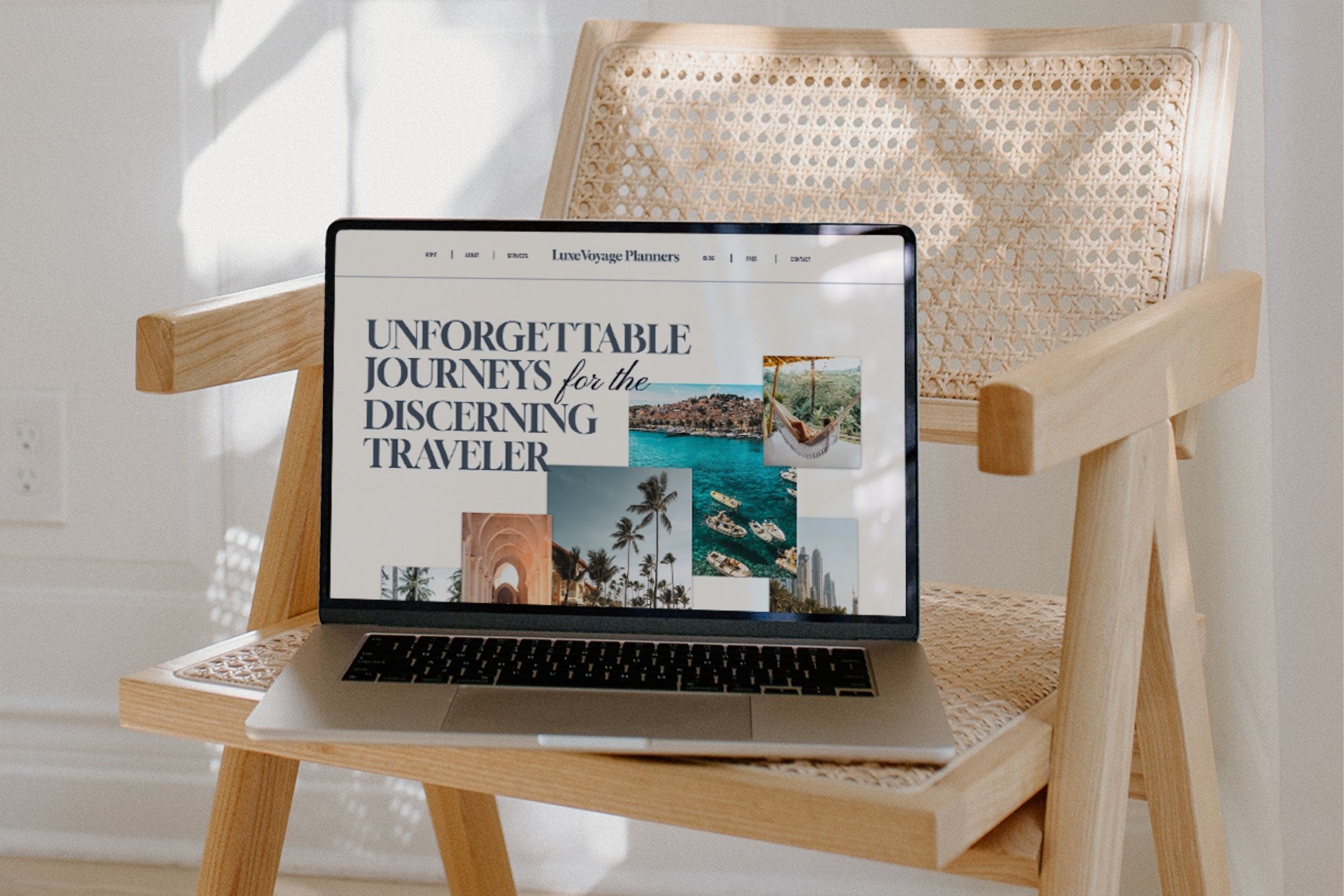
Driftwood Creative, led by solopreneur Brittany Darr, provides branding and web design solutions made for modern solopreneurs. From brand messaging and custom design to conversion-driven website copy and Showit websites, Driftwood Creative delivers everything you need to launch or elevate your small business.
Based in Honolulu, HI | Serving Clients Around the Globe

Essential Branding Checklist
The 18 essential elements you need to begin telling a cohesive and compelling brand story.
©2025 driftwood creative llc

